The story of this discovery didn’t begin on a remote expedition, but within the walls of a wildlife rescue center. In 2016, an unusual cat arrived at a Bolivian nature reserve. Locals called it «tilcayo». Initially, experts thought they were dealing with an oncilla—a small spotted cat known to science since 1775.
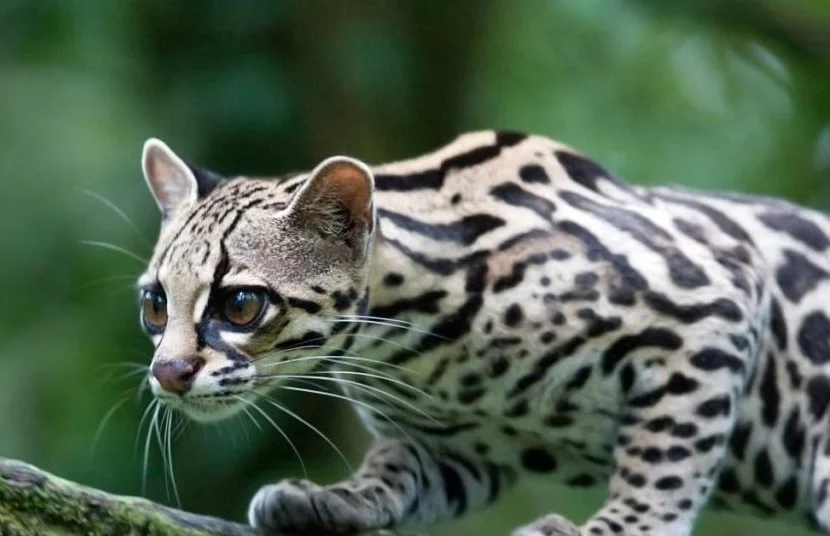
Oncilla — a predatory mammal of the felidae family.
However, this «newcomer» behaved and looked strange. It had an appearance uncharacteristic of oncillas, and over time, scientists realized: this wasn’t just a mutation, but a completely unknown animal.
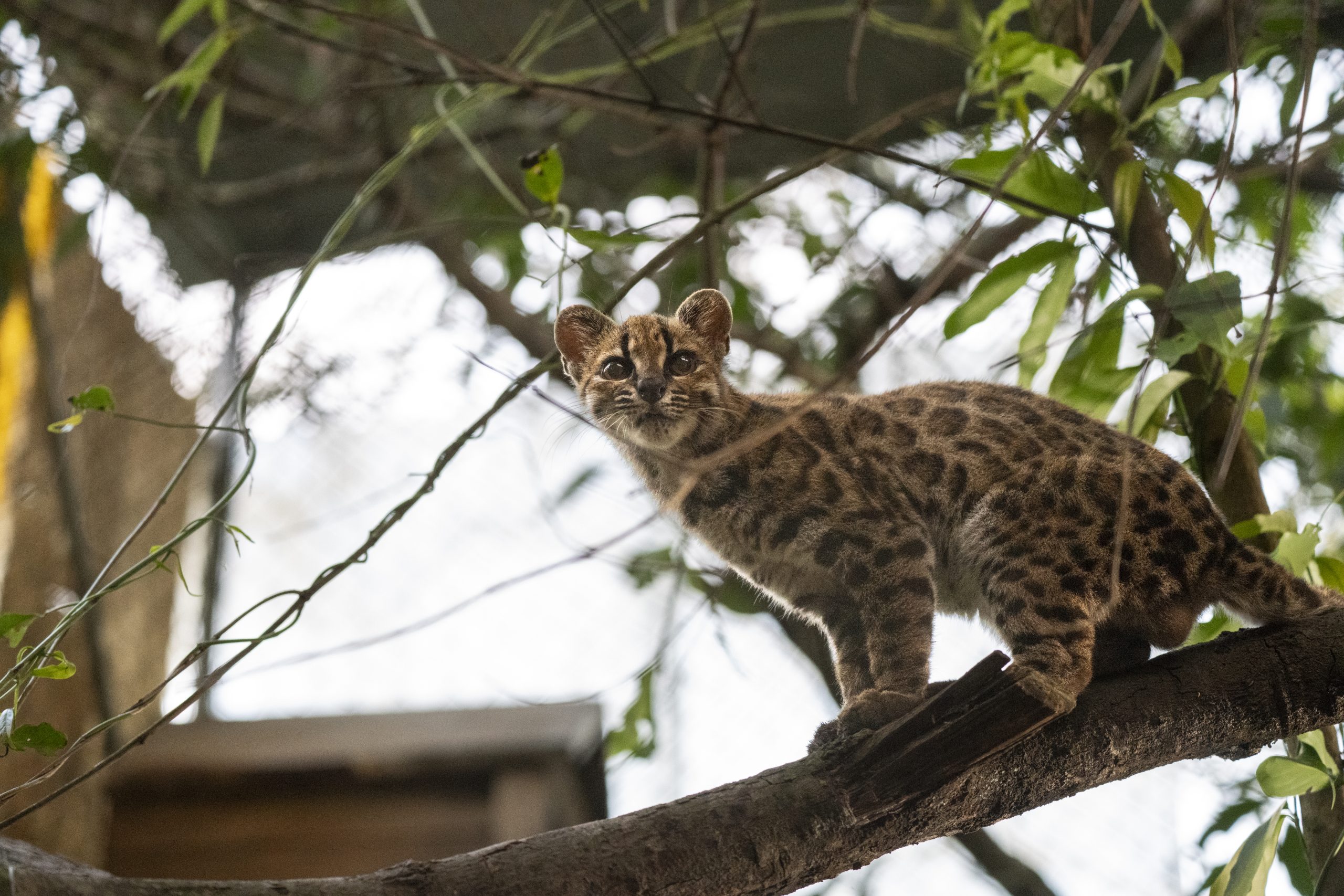
The official scientific name for the new species is Leopardus tilcayo. This tiny predator inhabits the high-altitude cloud forests of the Yungas in Bolivia—a region with extreme humidity where tree canopies are often shrouded in thick fog.
The tilcayo is a true miniature leopard. Its body length is approximately 45-46 centimeters, and it weighs barely 1.4 kg, making it smaller than the average domestic cat. What distinguishes it from its relatives is a flattened, almost wrinkled face, small round ears, long whiskers, and a spotted coat reminiscent of a leopard’s pattern.
Proving that scientists had indeed discovered a new species required in-depth genetic analysis. DNA tests clearly separated the tilcayo from other tiger cats. According to evolutionary biologists, this species diverged from a common ancestor approximately 1.4 million years ago.
Evolutionary biologist Jonas Lescroart from the University of Antwerp notes that tiger cats belong to so-called «cryptic species.» This means they are extremely difficult to distinguish based on appearance alone. That’s precisely why this new species remained invisible to science for so long.
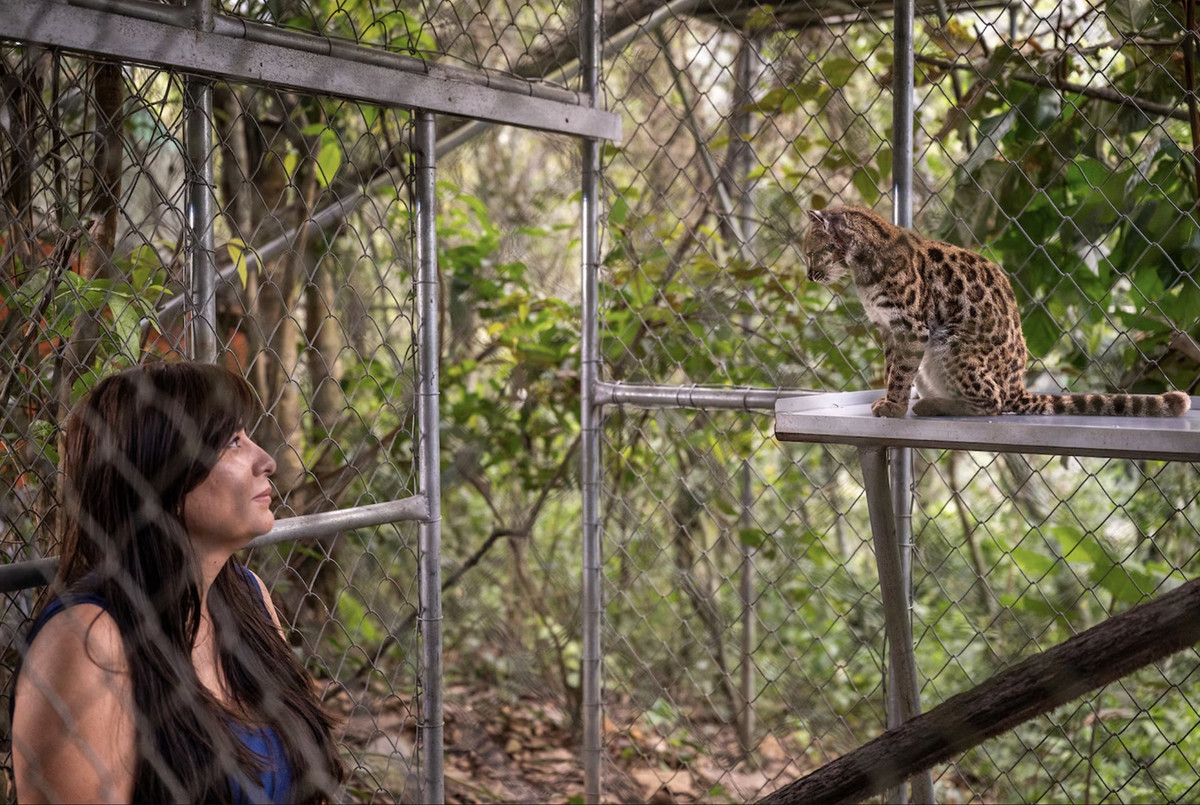
The tilcayo’s lifestyle remains shrouded in mystery, but scientists are already gathering the first pieces of data. Fecal analysis showed that the cat’s diet consists mainly of small rodents, while camera trap data suggests the predator is primarily nocturnal.
The discovery of a new species is not only a source of scientific pride but also a warning signal. The reclassification of the tiger cat group has meant that the new, more narrowly defined species (including the tilcayo) have automatically received a vulnerable status on the International Union for Conservation of Nature (IUCN) Red List.
«The cloud forest ecosystem of the Yungas is under serious threat due to large-scale deforestation and forest fires,» researchers warn. The cat’s habitat could be under threat in the coming years.
Nevertheless, scientists see a positive shift in this discovery. It proves an important trend: the focus of the global scientific community is now expanding beyond large lions and tigers to include the elusive, poorly studied small members of the cat family, which need protection just as much.